
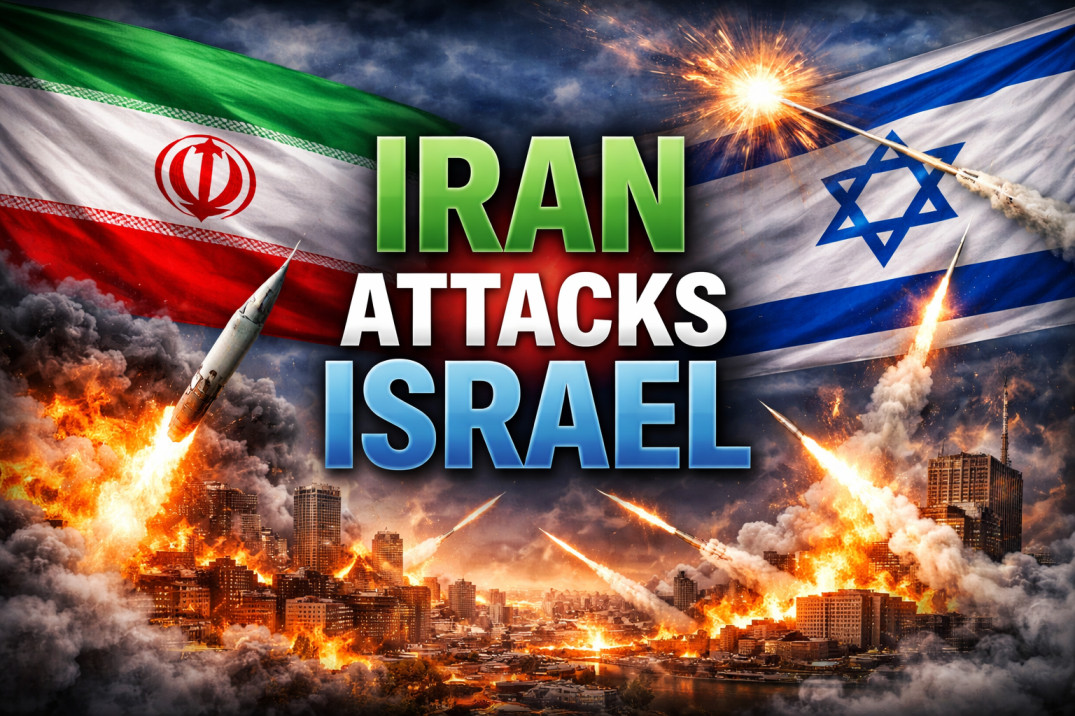
Iran attacks Israel, escalating tensions across the Middle East and raising serious concerns about global security and energy markets.
The rising tensions between Iran and Israel have become a major concern for the international community. Continuous attacks and retaliatory strikes between the two nations have made the situation in the Middle East more serious. Recently, an Israeli airstrike reportedly targeted one of Iran’s major gas facilities, raising concerns about energy security and its potential impact on the global economy. Experts believe that if diplomatic solutions are not pursued in time, regional tensions could escalate further.
The latest developments come after weeks of rising hostilities in the region, with both sides exchanging strikes and targeting strategic infrastructure. Global markets, energy supplies, and geopolitical stability are all being closely monitored as the crisis unfolds.
Why Iran Attacks Israel and How the Conflict Escalated
The recent conflict intensified after Israeli forces carried out airstrikes on key Iranian energy infrastructure, including the South Pars gas field, one of the largest natural gas reserves in the world. The attack disrupted portions of Iran’s gas production and marked a major escalation in the ongoing conflict.
In response, Iran launched missile and drone attacks targeting locations in Israel as well as strategic energy facilities across the Gulf region. These retaliatory strikes were described by Iranian officials as a warning against further attacks on their critical infrastructure.
The confrontation is part of a wider conflict that began earlier in 2026 after a series of military actions involving Israel and its allies targeting Iranian military and nuclear-related facilities.
The situation escalated further after Iran attacks Israel with missile and drone strikes targeting strategic locations.
Reports from regional media and defense officials indicate that Iranian missiles and drones have targeted several Israeli locations, including industrial and energy facilities. Video evidence circulating online shows missile fragments impacting areas in northern Israel following recent attacks.
Israel’s defense systems have intercepted many of these projectiles, but some strikes caused damage to infrastructure, including energy facilities and parts of the electricity grid in northern Israel.
Meanwhile, Israeli forces have continued air operations against military targets inside Iran, aiming to weaken missile production and other strategic capabilities. Officials in Israel claim these operations are intended to prevent further attacks on their territory.
Global Impact: Energy Markets and Regional Security
The conflict has also triggered concerns about global energy security. Attacks on gas facilities and energy infrastructure have affected supply routes and pushed oil prices higher in international markets.
According to reports, missile strikes on major gas facilities in the Gulf region disrupted a significant portion of liquefied natural gas exports, affecting global supply chains and causing energy prices to surge.
The strategic Strait of Hormuz, a crucial shipping route for global oil exports, has also become a major concern. Any disruption in this region could have widespread economic consequences worldwide.
Several countries in the Middle East, including Saudi Arabia and Qatar, have increased security measures around energy infrastructure as the situation remains volatile.
International Reactions
World leaders and international organizations have urged both sides to avoid further escalation. Diplomatic efforts are underway to prevent the conflict from expanding into a full-scale regional war.
According to international media reports, the situation is being closely monitored by global analysts. For more updates, readers can follow the latest Middle East conflict coverage from Reuters https://www.reuters.com/world/middle-east/
Governments in Europe and Asia have expressed concern over attacks on energy infrastructure and the potential impact on global markets. Calls for immediate ceasefire negotiations and diplomatic engagement are growing as the conflict enters a critical phase.
Source: BBC New https://www.bbc.com/news/world-middle-east
The United States has also increased its military presence in the region while emphasizing the importance of protecting international shipping lanes and maintaining regional stability.
What Could Happen Next?
Experts believe the coming weeks will be crucial for determining whether the conflict de-escalates or expands further. Continued attacks on strategic infrastructure could intensify the crisis and draw more countries into the conflict.
At the same time, diplomatic channels remain open, and several international actors are attempting to mediate between the two sides.
While the full outcome remains uncertain, the Iran-Israel confrontation is already shaping global politics, energy markets, and regional security dynamics in 2026.
Conclusion
The latest Iran attacks on Israel highlight the fragile security environment in the Middle East. With missile strikes, military operations, and energy infrastructure under threat, the conflict has implications far beyond the region.
Analysts say the conflict intensified after Iran attacks Israel, raising concerns about regional stability and global security.
As world leaders push for restraint and diplomatic solutions, the international community will be watching closely to see whether tensions escalate further or move toward negotiation and stability.
The rising tensions in the Middle East could also affect global fuel markets. You can also read our detailed report on global petrol price increase for more information.